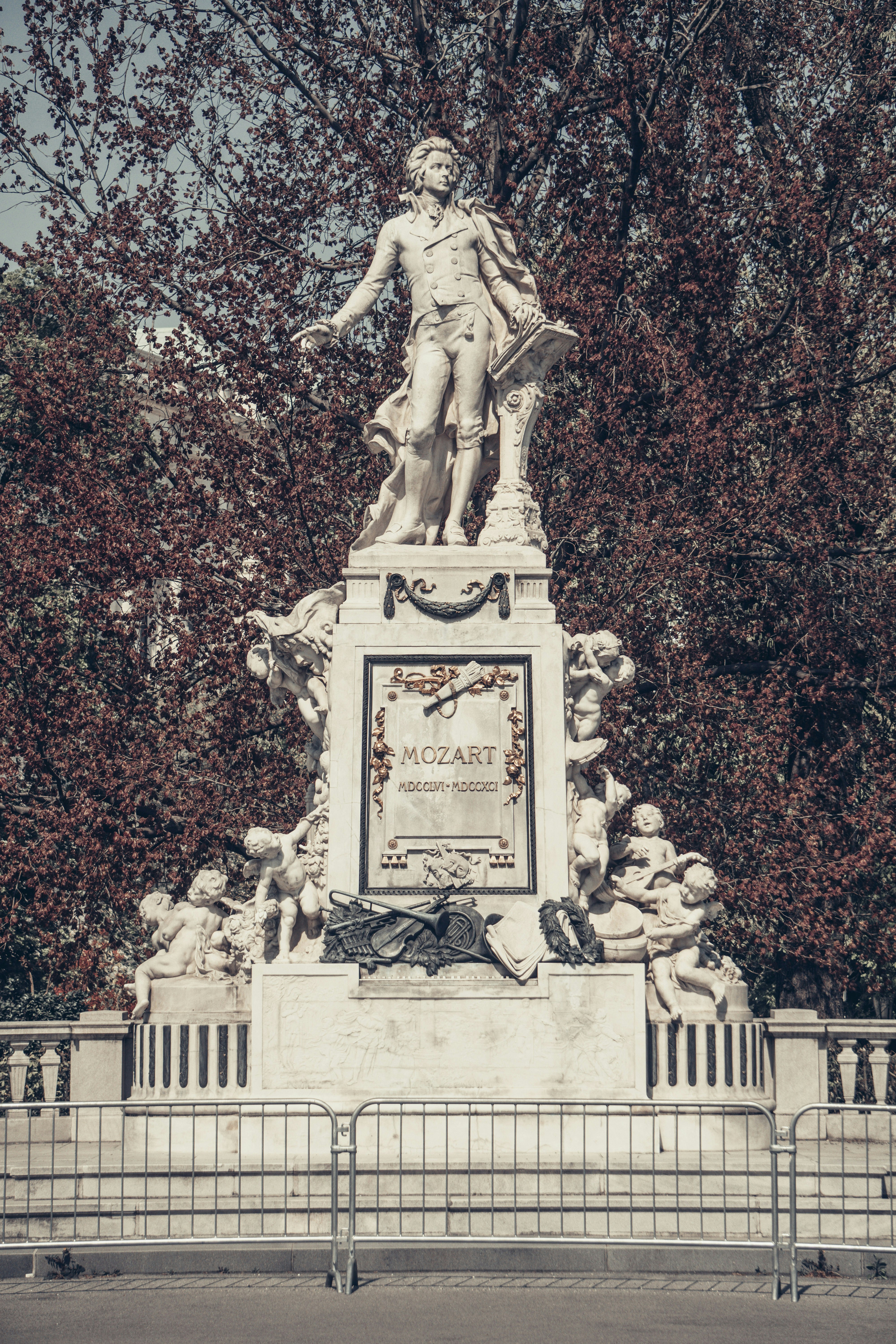
The Early Life of Wolfgang Amadeus Mozart
Wolfgang Amadeus Mozart was born on January 27, 1756, in Salzburg, a city that was then part of the Archbishopric of Salzburg, now in modern-day Austria. Born into a musical family, Mozart’s father, Leopold Mozart, was a talented composer, teacher, and musicologist. Leopold recognized his son’s extraordinary gifts at an early age, providing him with a rich environment conducive to musical development. This early immersion in the world of music greatly influenced Wolfgang’s future career as one of the most renowned composers in Western classical music.
From the age of three, Mozart began to exhibit a prodigious talent for music, demonstrating remarkable keyboard skills and the ability to play by ear. His father, keen to showcase his children’s talents, took him and his sister, Nannerl, on extensive tours across Europe. These travels, which began when Wolfgang was just five years old, introduced him to various musical styles and prominent musicians of the time. He encountered great composers and performers, each contributing to his artistic growth and shaping his musical identity.
Keithing new musical forms and ideas, Mozart’s early compositions, including symphonies and sonatas, were heavily influenced by the works of his contemporaries and the Baroque masters. During these formative years, he had interactions with notable figures such as Johann Christian Bach and Franz Joseph Haydn, whose styles and techniques left a lasting impression on his own musical creations. By the time he reached adolescence, Mozart was not only an accomplished performer but also a skilled composer, setting the groundwork for his monumental contributions to music. His early life, enriched by experiences, travel, and familial support, ultimately paved the way for a legacy that would transform the landscape of classical music forever.
Mozart’s Most Iconic Compositions
Wolfgang Amadeus Mozart, a prolific and influential composer of the Classical era, has left behind a remarkable catalog of music that continues to resonate today. Among his most iconic compositions are ‘The Magic Flute’, ‘Symphony No. 40’, and ‘Requiem’, each of which showcases his extraordinary talent and innovation.
‘The Magic Flute’, an opera composed in 1791, stands out not just for its whimsical storytelling but also for its rich musical tapestry. The opera integrates various musical styles, including folk and opera seria, effectively broadening the scope of the genre. The use of memorable melodies and a vivid orchestration enhances the emotional depth of the characters. This opera also demonstrates Mozart’s ability to convey complex themes such as love, sacrifice, and enlightenment through music, making it a cornerstone of the operatic repertoire.
Another noteworthy composition is ‘Symphony No. 40 in G minor’, completed in 1788. This symphony is notable for its dramatic intensity and emotional depth. The opening movement is marked by an urgent and restless character, reflecting the struggles of human existence. Mozart’s innovative orchestration and use of contrasting themes in this piece significantly influenced the symphonic form, paving the way for future composers. Its powerful motifs and thematic development exemplify Mozart’s mastery of the symphonic structure.
Lastly, ‘Requiem in D minor’, which remains unfinished at the time of his death in 1791, holds a unique place in classical music. Commissioned anonymously, this work encapsulates the profound themes of mortality and redemption. Utilizing rich harmonies and poignant melodies, Mozart crafted a deeply moving piece that resonates with listeners on multiple levels. The Requiem integrates choral and orchestral elements to create an immersive experience, reinforcing its status as a significant piece in the choral repertoire.
Each of these compositions demonstrates Mozart’s exceptional innovation, musical structure, and a deep understanding of human emotion, securing his place as one of history’s greatest composers.
The Influence of Mozart on Classical Music and Beyond
Wolfgang Amadeus Mozart is widely recognized as one of the most pivotal figures in classical music, with a profound influence that resonates beyond his time. His compositions marked a significant transition from the intricate textures of the Baroque era to the clarity and balance characteristic of the Classical period. His innovative use of sonata form, especially in symphonies and chamber works, laid the groundwork for subsequent composers, enabling a deeper exploration of thematic development and emotional expression.
One of Mozart’s notable contributions is his mastery of opera, which transformed the genre into a powerful medium of storytelling. His operatic works, such as “The Marriage of Figaro” and “Don Giovanni,” showcase his ability to blend music and drama seamlessly, setting a precedent for future generations of composers. The integration of complex characters, engaging narratives, and rich musical landscapes in his operas continues to serve as an inspiration for contemporary opera and musical theater artists, highlighting the lasting impact of his innovative techniques.
Moreover, Mozart’s influence extends into various genres beyond classical music. Freelance composers, musicians, and even filmmakers often draw upon his melodic instincts and harmonic innovations. His music has been utilized extensively in film and dance, cementing his cultural legacy. Iconic films frequently feature Mozart’s compositions, crafting an evocative atmosphere that resonates with audiences, thus bridging the gap between classical and modern interpretations of music.
As a figure who embodies the beauty and complexity of classical music, Mozart’s works remain integral to music education and appreciation. His distinctive style and the principles he championed continue to inspire both established and emerging composers, proving that his genius transcends time and genre. This enduring legacy ensures that the influence of Mozart will be felt for generations to come.
Understanding the Emotional Depth of Mozart’s Music
Wolfgang Amadeus Mozart is often celebrated not just for his technical proficiency but also for his remarkable ability to convey deep emotional textures in his compositions. His music transports listeners through a rich tapestry of feelings, navigating the intricate landscape of human emotions. One of the most notable aspects of Mozart’s work is his exploration of contrasting themes such as joy and sorrow, which enables a profound connection to the shared human experience.
In many of his compositions, Mozart utilizes various musical elements, including melody, harmony, and rhythm, to evoke a specific emotional response. For instance, the serene beauty of his slow movements, such as the “Largo” from the Symphony No. 40, captures a sense of melancholy and introspection. Conversely, in his spirited allegros, an exhilarating blend of vigor and enthusiasm can be felt, as exemplified in works like the “Eine kleine Nachtmusik.” These contrasts not only enchant the listener but also highlight Mozart’s ability to mirror the complexity of real-life emotions.
Moreover, Mozart’s understanding of the psychoacoustic effects of sound plays a significant role in his emotional storytelling. The delicate use of harmonies creates tension and resolution that can reflect the ups and downs of human experiences. The interplay between different musical voices often evokes a dialogue, drawing listeners into a deep, personal reflection that resonates on an emotional level. This understanding of how music can influence feelings and provoke thoughts contributes to the timeless appeal of Mozart’s body of work.
Ultimately, the emotional depth found in Mozart’s compositions transcends their day, establishing a connection that is as relevant today as it was in the 18th century. His music remains a testament to the enduring power of art to encapsulate and convey the intricacies of human emotion.